
Fever, chills and sweats
Intermittent or persistent fever, shaking chills, and drenching sweats are frequently reported in symptomatic disease. Fever may be absent in some older or immunocompromised patients.
Babesiosis can look like a nonspecific viral illness at first, but the parasite's invasion of red blood cells can produce a recognizable combination of symptoms and laboratory abnormalities. No single symptom proves Babesia; diagnosis is based on exposure risk, clinical findings, and direct evidence of the parasite by blood smear or molecular testing.

Many people infected with Babesia microti never develop symptoms. When illness occurs, symptoms commonly begin after an incubation period of roughly one to several weeks after a tick bite, although onset can be later. Typical symptoms include fever, chills, sweats, profound fatigue, headache, muscle aches, loss of appetite, nausea, and general weakness. Because these findings overlap with influenza, viral infections, Lyme disease, anaplasmosis, ehrlichiosis, and many noninfectious conditions, symptoms alone are not enough to diagnose babesiosis.
Babesia differs from many other tick-borne infections because it lives inside erythrocytes—red blood cells. Destruction of infected and uninfected erythrocytes can produce hemolytic anemia. That biology helps explain why some patients develop unusual fatigue, shortness of breath with exertion, rapid heart rate, jaundice, dark urine, or laboratory evidence of red-cell destruction.
Intermittent or persistent fever, shaking chills, and drenching sweats are frequently reported in symptomatic disease. Fever may be absent in some older or immunocompromised patients.
Fatigue can be severe and may persist after the acute infection improves. Headache, myalgia, arthralgia, weakness, appetite loss, and nausea are also common but nonspecific.
Red-cell destruction may lower hemoglobin and haptoglobin while raising LDH and indirect bilirubin. Clinically, significant hemolysis can cause pallor, exertional breathlessness, jaundice, or dark urine.
Routine blood work cannot confirm Babesia, but it can provide clues. Published reviews and IDSA guidance describe a characteristic pattern that may include anemia, thrombocytopenia, elevated liver enzymes, and biochemical evidence of hemolysis. The combination matters more than any one isolated value.
| Test | Possible finding in babesiosis | Why it may occur |
|---|---|---|
| CBC — hemoglobin / hematocrit | Low | Destruction of erythrocytes can produce hemolytic anemia. |
| Platelet count | Low | Thrombocytopenia is common in acute infection and can accompany systemic inflammation and splenic clearance. |
| LDH | Elevated | LDH rises when red cells and other cells are injured or destroyed. |
| Indirect bilirubin | Elevated | Hemoglobin breakdown from hemolysis increases unconjugated bilirubin. |
| Haptoglobin | Reduced | Free hemoglobin released during intravascular hemolysis binds haptoglobin, lowering the measurable level. |
| AST / ALT / alkaline phosphatase | Sometimes elevated | Systemic infection and severe disease can affect the liver. |
| Creatinine | Can rise in severe disease | Kidney injury may occur with severe hemolysis, shock, or multisystem illness. |
Severe babesiosis is more likely in people without a functioning spleen, older adults, people with significant immune suppression, and people with serious underlying illnesses. Published series have identified B-cell depletion—especially after rituximab—as an important risk factor for persistent or relapsing infection. Severe complications can include marked hemolytic anemia, acute respiratory distress syndrome, kidney or liver failure, shock, disseminated intravascular coagulation, splenic infarction or rupture, and death.
A Giemsa- or Wright-stained blood smear allows a trained laboratorian to look directly for parasites inside red blood cells. Babesia often appears as small ring forms. The classic four-parasite “Maltese cross” tetrad is considered pathognomonic when seen, but it is uncommon, so its absence does not rule out infection. Parasite density can be estimated from the percentage of infected red cells, which is useful in severe disease and during treatment monitoring.
Smear sensitivity falls when parasitemia is low. IDSA notes that examining hundreds of microscopic fields improves sensitivity and recommends PCR when a smear is negative but clinical suspicion remains significant.
Polymerase chain reaction detects Babesia DNA and is generally more sensitive than microscopy when the parasite burden is low. Most routine U.S. assays target B. microti. If another species such as B. duncani is suspected, a species-specific or pan-Babesia assay may be needed because a negative B. microti-only PCR does not exclude every human-infecting Babesia species.
Serology measures the immune response rather than directly detecting the parasite. A single positive antibody result can reflect a recent infection, an older infection, or—in some cases—cross-reactivity. Antibodies may remain detectable for a year or longer. For that reason, IDSA recommends confirming suspected acute babesiosis with blood smear or PCR rather than diagnosing active disease from one positive antibody test alone.
A four-fold rise in IgG between acute and convalescent blood samples provides stronger evidence of recent infection, but that paired-sample approach is slower and is not usually the most practical way to confirm acute illness.
B. microti is the major cause of U.S. babesiosis, but human disease can also be caused by B. duncani, B. divergens-like organisms, B. venatorum, and rare other species. Serologic assays are not interchangeable: an assay built around B. microti antigen does not reliably diagnose B. duncani, and vice versa. Molecular testing is the most direct way to identify the infecting species when the assay is designed to detect it.
Evidence-based recommendations on smear, PCR, antibody testing, treatment and monitoring.
Read the guideline →Comprehensive review of epidemiology, pathogenesis, clinical manifestations, diagnosis and treatment.
Read the review →Longitudinal evidence that low-level parasitemia can persist, especially without treatment.
Read the study →Case-control evidence showing the special relapse risk in patients with impaired immunity, especially B-cell dysfunction, splenectomy or rituximab exposure.
Read the study →These tools do not diagnose Babesia, but they can help you record objective information to discuss with a healthcare professional.
 Helpful tool
Useful for tracking an actual temperature instead of trying to judge a fever by how you feel. A thermometer does not diagnose Babesia or any other infection.
View thermometers on Amazon Helpful tool
Lets you track oxygen saturation and pulse at home. It is not a Babesia diagnostic test; concerning readings or breathing symptoms need appropriate medical evaluation.
View pulse oximeters on Amazon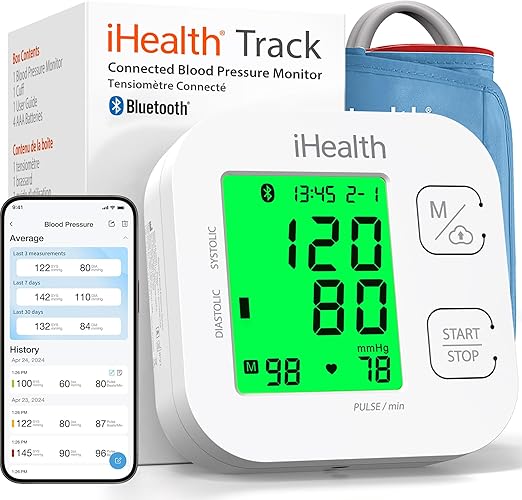 Helpful tool
Useful for recording blood pressure and pulse when symptoms such as dizziness, weakness or palpitations are part of what you are documenting for a medical visit.
View BP monitors on AmazonCryptolepis and artemisinin are the two products I personally used during my Babesia experience. I am sharing what I used, not prescribing a treatment. The other items are practical support products people may find useful while keeping track of medications, supplements, and hydration.
 What I personally used
The Cryptolepis product I personally used. See the Cryptolepis page for the research, limitations, and my experience.
View Cryptolepis on Amazon What I personally used
The artemisinin product I personally used. See the Artemisinin page for the research, limitations, and my experience.
View Artemisinin on Amazon Practical support
A simple way to keep prescriptions and supplements organized when a routine gets complicated.
View pill organizer on Amazon Practical support
Convenient hydration support for people who want an easy electrolyte option. This is not a Babesia treatment.
View hydration packets on Amazon